Authenticity as a Strategy: The Competitive Advantage Most Companies Are Missing


Several years ago, I was leading a massive nine-month RFP process for a growing segment of our business. After months of presentations, evaluations, spreadsheets, and meetings, we narrowed it down to two companies.
And honestly?
On paper, they were basically tied.
Same capabilities.
Similar pricing.
Strong leadership teams.
There was no obvious winner.
But the experience of working with them felt completely different.
One company did everything “right.” Polished presentations. Corporate messaging. Executive networking. Every interaction felt carefully managed.
The other company? They felt human.
Their CEO opened the finalist presentation with a story. Their follow-up emails sounded like real people wrote them. They answered questions directly instead of hiding behind buzzwords.
And that’s who we chose.
Not because they were wildly different technically.
Because we trusted them more.
That moment reinforced something I now believe deeply:
Authenticity isn’t just a personality trait. It’s a business strategy.
What Authenticity in Business Actually Means
Let’s clear something up.
Authenticity at work does not mean:
saying every thought in your head
oversharing
“just being yourself” without boundaries
Authenticity is about doing what’s needed, not what’s normal.
It’s about communicating like a human in environments that often reward sounding robotic.
Organizations that embrace authenticity in the workplace tend to:
ditch unnecessary corporate jargon
use stories instead of endless slides
treat humility as a strength instead of a weakness
And while those things sound simple, they’re surprisingly rare.
Which is exactly why they stand out.
How Authentic Leadership Changed My Company
About six months after that RFP process, I became CEO of the company.
At the time, we had:
five straight years of flat growth
low morale
declining energy across the organization
And I didn’t have some fancy McKinsey playbook to fix it.
So I leaned harder into authenticity as a strategy.
I stopped hiding behind polished executive communications.
I wrote employee emails myself.
I opened town halls with stories instead of corporate updates.
I admitted mistakes openly.
At company events, I skipped the executive small talk, danced (badly), and stayed late to help clean up.
None of this was revolutionary.
But it was real.
And the impact was huge.
Within three years:
earnings tripled from $17 million to $50 million
employee engagement skyrocketed
trust and morale improved dramatically
People respect authority, but they follow authenticity.
Why Authenticity Matters Even More Now
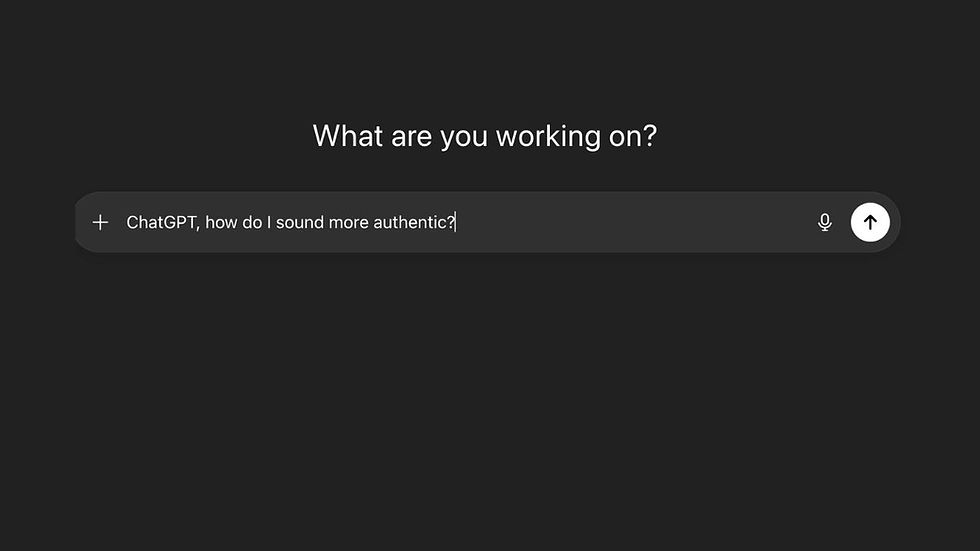
Today, AI can generate:
emails
presentations
marketing copy
LinkedIn posts
in seconds.
Which means sounding polished is no longer impressive.
In fact, perfection often feels suspicious.
People are craving communication that feels human, direct, and real.
That’s why authenticity in business is no longer optional. It’s becoming one of the few true differentiators left.
The leaders and companies who stand out moving forward won’t necessarily be the most polished.
They’ll be the most believable.
Erin Hatzikostas is an internationally recognized leader on the impact of authenticity in the workplace. Learn more about her keynote speaking, workshops, and other authentic programs here.